Introduction
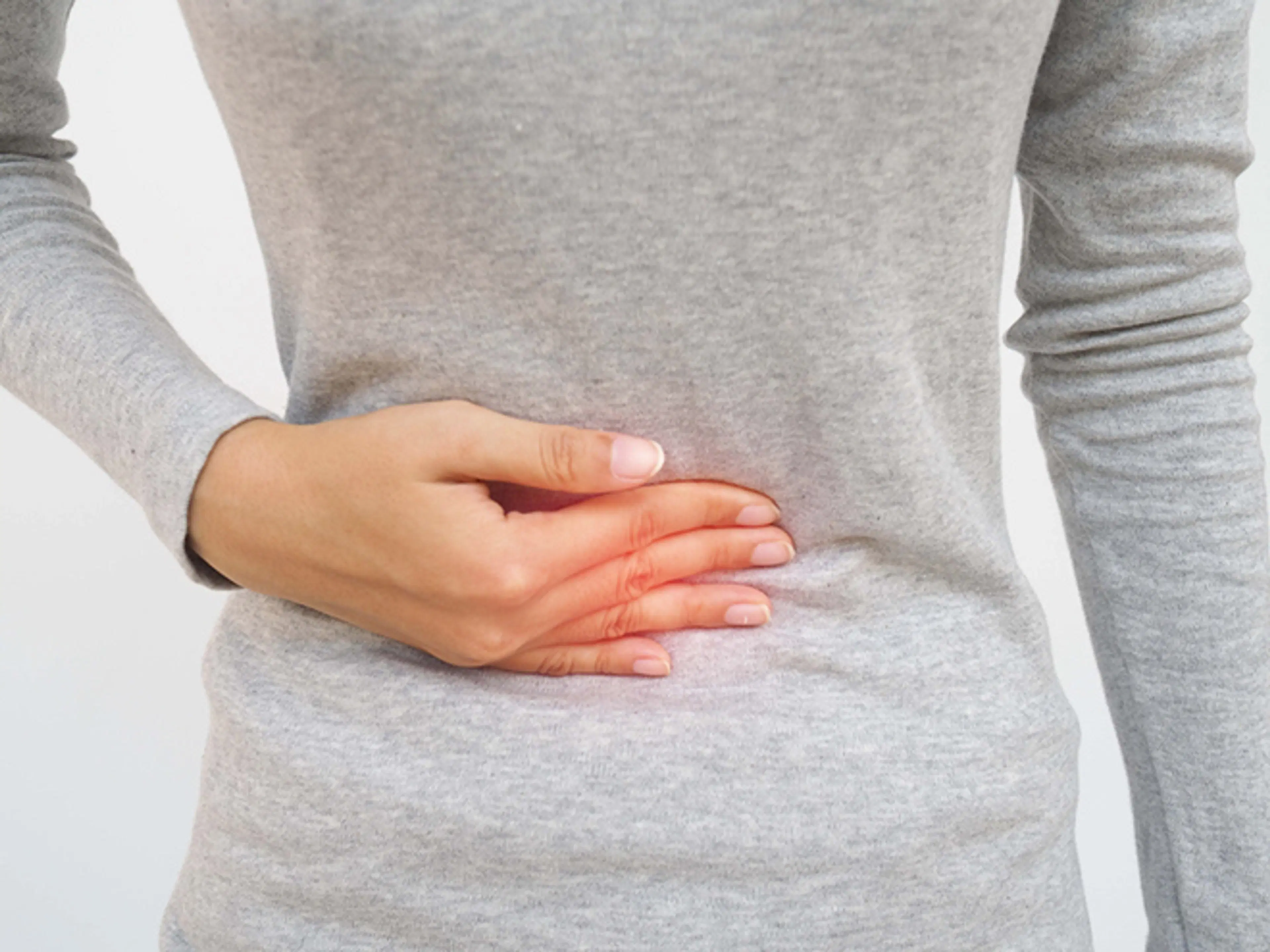
when-a-belly-bulge-isn't-just-fat:-could-it-be-a-herniaMost of us notice changes in our abdomen at some point — a little roundness after a big meal, a “spare tire” that refuses to go away, or a soft bulge that seems new. Often, these are simple signs of weight fluctuation or lifestyle. But sometimes, what looks like “just fat” is something more serious: a hernia.
At Always For You Medical Center in Gwangjin-gu, Seoul, we often meet patients who delay seeking help because they assume their abdominal bulge is harmless. By the time discomfort increases, the condition has often progressed. Understanding the difference between normal fat accumulation and a hernia can protect your health and spare you from unnecessary complications.
What Exactly Is a Hernia?
what-exactly-is-a-herniaA hernia occurs when an internal organ, fat, or tissue pushes through a weak spot in the muscle or surrounding connective tissue. Imagine the abdominal wall as a sturdy net holding everything in place. If one section of the net weakens, part of what’s inside can slip through — that’s essentially what happens with a hernia.
There are several common types:
Inguinal hernia: Bulging in the groin, much more common in men due to natural weakness in the inguinal canal.
Umbilical hernia: Bulging near the belly button, often noticed after pregnancy or with obesity.
Incisional hernia: Appears at the site of a previous surgical incision where tissue healing was weaker.
Hiatal hernia: A portion of the stomach moves upward into the chest cavity through the diaphragm.
Each type behaves differently and requires different approaches to management.
How a Hernia Differs from Belly Fat
how-a-hernia-differs-from-belly-fatPatients often tell us: “It just looks like I’ve gained weight.” But hernias and fat deposits have distinct characteristics.
Bulge appearance: Hernias create a localized lump that becomes more visible when standing, coughing, or straining. Fat usually spreads more evenly.
Texture: A hernia bulge can feel firm or tender. In some cases, pressing on it makes it shrink or move back inward — something fat deposits won’t do.
Pain and discomfort: While not all hernias hurt, many cause burning, pulling, or aching sensations — especially during activity or lifting. Fat rarely causes this type of discomfort.
Location patterns: Hernias occur in predictable areas (groin, navel, surgical scars), whereas fat can accumulate anywhere on the abdomen.
Think of fat as a cushion that grows evenly, while a hernia is like a pocket ballooning through a gap.
Why Hernias Shouldn’t Be Ignored
why-hernias-shouldn't-be-ignoredSome patients live with hernias for years without major issues. But untreated hernias rarely improve on their own. In fact, they tend to grow larger and increase the risk of complications, such as:
Strangulation: When tissue gets trapped and its blood supply cut off. This is a surgical emergency that can be life-threatening.
Obstruction: Intestines can become blocked, causing severe pain, nausea, and vomiting.
Chronic discomfort: Even small hernias may cause ongoing pain, pressure, or mobility problems.
Lifestyle impact: Many patients report avoiding exercise, lifting, or even bending due to fear of worsening their hernia.
To be honest, no one wants to think about their intestines slipping out of place — but ignoring it doesn’t make it go away.
Risk Factors: Why Some People Develop Hernias
risk-factors:-why-some-people-develop-herniasNot every abdominal bulge is a hernia, but certain conditions increase the likelihood:
Chronic coughing or sneezing (from smoking, asthma, or allergies)
Heavy lifting without core support (common in physical labor jobs)
Obesity or sudden weight changes
Previous abdominal surgery (weak scar tissue can reopen)
Aging and muscle weakening
Pregnancy and childbirth
Interestingly, many Koreans we meet at our clinic mention “overeating” as a cause. While overeating itself doesn’t directly create a hernia, repeated abdominal pressure from large meals, constipation, or long sitting hours can worsen existing weaknesses. In Korea, where gastritis, reflux, and constipation are common, this pressure effect is an important factor to consider.
How Doctors Diagnose a Hernia
how-doctors-diagnose-a-hernia
At Always For You Medical Center, diagnosis is not guesswork. A thorough evaluation ensures we distinguish between fat, hernia, or other abdominal conditions.
Physical examination: Doctors gently feel the abdomen while you cough or stand. Hernias often become more pronounced with this maneuver.
Ultrasound: Useful for small or complex hernias, especially in the groin area.
CT or MRI scans: Provide detailed images of hernia size, type, and location, helping plan surgery if needed.
Endoscopy: For hiatal hernias, a thin camera examines the upper digestive tract to check for reflux damage.
One of the advantages at Always For You is same-day testing and results. Many patients appreciate skipping the long delays typical of large hospitals, getting answers — and a plan — within hours.
Treatment Options: From Watchful Waiting to Surgery
treatment-options:-from-watchful-waiting-to-surgeryNot every hernia requires immediate surgery, but most eventually do. The right approach depends on size, symptoms, and risk factors.
Observation: If the hernia is very small, painless, and not at risk of complications, careful monitoring may be reasonable for the short term.
Lifestyle support: Managing weight, avoiding heavy lifting, and treating constipation can help slow progression. But these are supportive, not curative, measures.
Surgical repair: The only definitive treatment. Modern approaches focus on minimally invasive techniques, such as laparoscopic hernia repair, which offers:
At Always For You, our surgeons create personalized repair plans. Some patients benefit from a quick day procedure, while others require reinforced mesh placement for long-term strength.
Life After Hernia Surgery
life-after-hernia-surgery
Recovery is usually quicker than patients expect. Most can return to light activity in about a week, desk work within 10–14 days, and full exercise in 4–6 weeks.
Key elements of recovery include:
Pain management: Modern techniques minimize discomfort, with most patients using only mild pain relievers.
Dietary support: Soft, fiber-rich foods reduce constipation and straining.
Follow-up checks: Ensuring proper healing and lowering recurrence risk.
At Always For You, we design recovery around your lifestyle — whether you’re an office worker, parent, or someone who exercises regularly. Patients often say that repairing their hernia not only relieved discomfort but restored confidence, as the visible bulge that embarrassed them was gone.
Preventing Hernia Recurrence
preventing-hernia-recurrenceWhile surgery repairs the defect, strengthening the body afterward helps prevent recurrence. We advise patients to:
Maintain a healthy weight
Practice proper lifting techniques (bend knees, not waist)
Quit smoking to improve tissue healing
Treat chronic cough, reflux, or constipation early
Resume core-strengthening exercises gradually, under guidance
When to Seek Medical Attention
when-to-seek-medical-attentionYou should seek urgent medical help if you experience:
Sudden, severe abdominal pain
A bulge that becomes hard, red, or tender
Nausea, vomiting, or inability to pass stool or gas
These may signal strangulation or obstruction — conditions that require immediate surgery. In these cases, minutes can make the difference.
The Takeaway
the-takeawayA belly bulge isn’t always “just fat.” Sometimes, it’s your body’s way of warning you about a deeper issue. Early diagnosis makes treatment safer and easier, while delay increases risks.
At Always For You Medical Center, we combine expert-led diagnostics, minimally invasive surgery, and personalized care to ensure patients feel safe from the first consultation through recovery.
👉 If you’ve noticed a persistent bulge or discomfort in your abdomen, don’t ignore it. Book a consultation and let our specialists guide you with clarity and care.