When “Just Tired Legs” Might Mean Something More
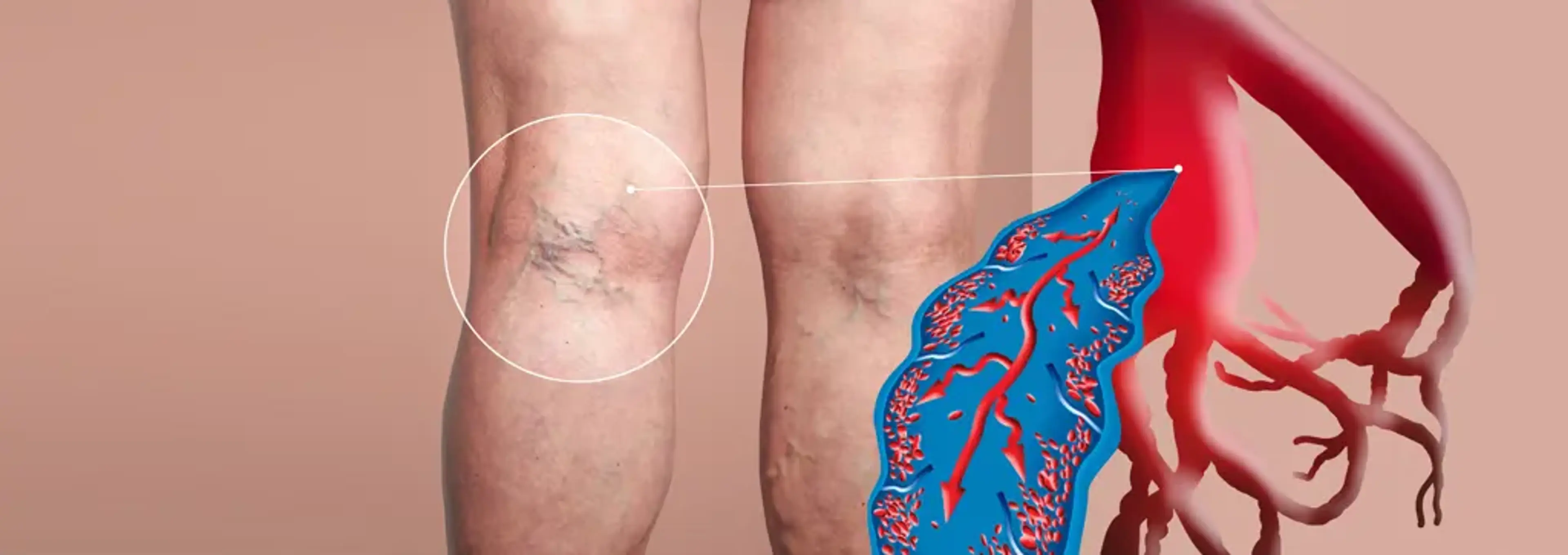
when-"just-tired-legs"-might-mean-something-moreMany of us brush off leg discomfort as simple fatigue—especially after a long day on our feet. But if you’ve noticed visible veins, swelling, or a persistent heaviness in your legs, these might be early signs of venous insufficiency. The truth is, lifestyle plays a bigger role in leg vein health than most people realize. At Always For You Medical Center, we often meet patients who didn’t realize their daily habits were quietly making things worse.
Let’s look at five common habits that could be aggravating your leg veins—and what you can do instead.
1. Sitting or Standing Too Long Without Breaks
1.-sitting-or-standing-too-long-without-breaksModern life traps us in two extremes: too much sitting or too much standing. Whether you're a desk worker or a retail employee, prolonged inactivity impairs blood flow from the legs back to the heart.
Why it matters:
Leg veins rely on muscle contractions to “pump” blood upward. Staying in one position for hours makes that natural pump stall, leading to vein dilation and pressure buildup. Over time, this can cause valves inside the veins to weaken, allowing blood to pool and veins to bulge.
Real-World Example:
We often see office workers who sit for long hours developing varicose veins in their 30s and 40s. Similarly, service workers who stand all day without compression socks often experience ankle swelling by the evening.
Doctor’s Tip:
Set a timer every hour—stand up, stretch, and flex your calves. Even a quick walk to the water cooler helps. If your job involves standing all day, try shifting weight between legs and using a footrest. Compression stockings, especially those properly fitted, can reduce venous pressure significantly.
2. Crossing Your Legs (Especially for Long Periods)
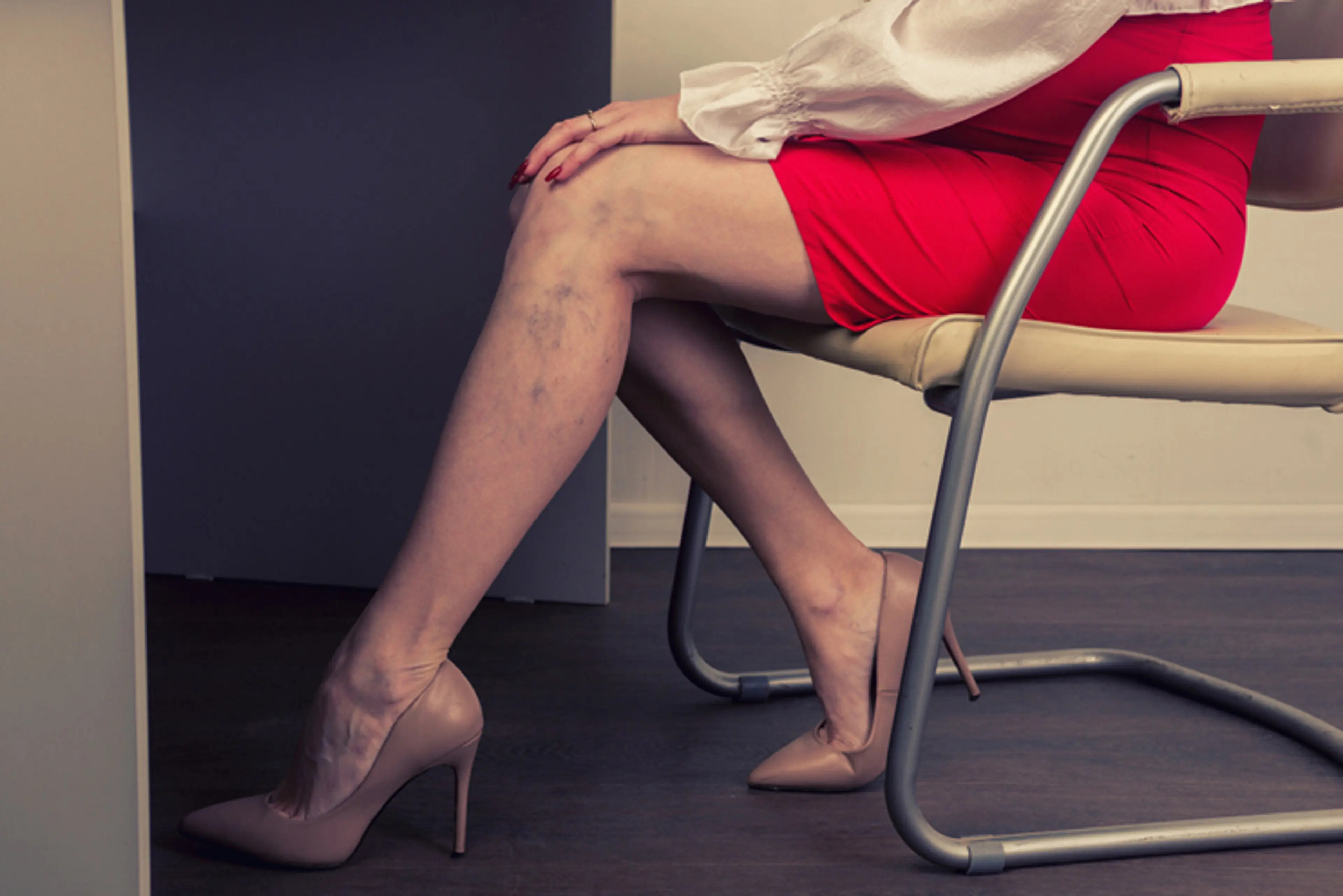
2.-crossing-your-legs-(especially-for-long-periods)Crossing your legs might feel comfortable, even graceful—but it can restrict blood flow and increase venous pressure in your lower limbs.
Cultural Insight:
In Korea, sitting cross-legged (좌식 자세) is common at home or traditional restaurants. While brief periods are harmless, extended cross-legged sitting compresses major veins in the pelvis and knees, increasing the risk of venous reflux.
Why it matters:
When veins are compressed, the blood can’t flow freely. That pressure backs up the system, stretching the vein walls and putting extra strain on the valves that keep blood moving upward. Over time, this can worsen symptoms like tingling, heaviness, and even visible spider veins.
What to do instead:
Alternate sitting positions every 15 to 30 minutes. Consider placing a small stool under your desk to elevate your feet slightly. After meals, spend five minutes lying with your legs propped up on a cushion to encourage venous return.
At Always For You, we remind patients that even subtle postural habits can affect circulation over time. Preventive awareness is key.
3. Wearing Tight Clothing Around the Waist or Thighs
3.-wearing-tight-clothing-around-the-waist-or-thighs
Fashion isn't always vein-friendly. Skinny jeans, compression shapewear, or tight undergarments can restrict venous return, especially if worn daily.
What many don’t realize:
Unlike medical-grade compression socks (which aid circulation), tight clothing not designed for vascular health often does the opposite—trapping blood in the lower extremities. Tight elastic bands around the thighs or waist can act like tourniquets, preventing proper outflow.
Scientific Insight:
Studies have shown that external compression in non-targeted areas can alter hemodynamics, especially in patients predisposed to varicose veins. Women are often more affected due to fashion trends and hormonal changes that already impact vascular tone.
Recommendation:
Opt for breathable, flexible fabrics. Choose high-waisted garments with wider waistbands. If swelling or heaviness worsens after certain outfits, your clothing may be contributing to venous stress.
When in doubt, test your leg circumference at night—if it’s noticeably larger than in the morning, your veins may be under unnecessary pressure throughout the day.
4. Skipping Exercise That Engages the Calves
4.-skipping-exercise-that-engages-the-calvesThe calf muscles are often called the “second heart” for good reason—they’re vital in propelling blood back toward the chest. Sedentary lifestyles weaken this pump.
Common scenario:
Many patients believe daily walking to the subway or grocery store is "enough"—but if it’s under 30 minutes, your calf pump isn’t getting sufficient activation. Inactivity not only affects circulation, but also leads to muscle atrophy and increased venous stasis.
Doctor’s Insight:
Low-impact routines like stair climbing, brisk walking, or heel-raises are highly effective. In our clinic’s recovery protocols, we often prescribe targeted calf work to boost circulation. Even five minutes of toe raises twice a day can make a difference.
Best Practices:
Walk at least 30 minutes a day, five days a week.
Incorporate balance and strength exercises for the lower limbs.
During long flights or commutes, flex your feet and rotate your ankles every 30 minutes.
Your veins benefit most from consistency—not intensity. Sustainable movement protects long-term vascular health.
5. Ignoring Early Symptoms or Family History
5.-ignoring-early-symptoms-or-family-historyMany vascular issues progress slowly—and quietly. Spider veins, nighttime cramps, or mild ankle swelling may seem benign, but they often hint at deeper venous dysfunction.
Why early attention matters:
Genetics play a large role. If varicose veins or vascular surgeries run in your family, your risk is higher. Women who have had multiple pregnancies or hormonal changes (e.g., menopause, oral contraceptives) are also at greater risk.
Often overlooked signs:
A dull ache or heaviness in the legs, especially at the end of the day
Itching or tingling near visible veins
Skin discoloration near the ankles
Thickening or hardening of the skin (lipodermatosclerosis)
At Always For You:
We offer precise vein mapping and Doppler ultrasound assessments to uncover what’s really going on—even before visible symptoms appear. Early intervention allows for non-surgical treatments like sclerotherapy or lifestyle guidance.
Patient Story:
A recent patient in her early 40s came in for "cosmetic" concerns about leg veins. Her imaging revealed significant venous reflux that, if untreated, could have led to ulcers within a few years. With guided treatment, she avoided future complications entirely.
The Good News: Vein Health Can Be Protected
the-good-news:-vein-health-can-be-protected
While you can’t change genetics, you can change your habits. Just a few mindful adjustments—moving more often, wearing proper footwear, elevating your legs at night—can dramatically improve venous return.
And if you already have visible veins or symptoms, don’t panic. Today’s treatments are faster and less invasive than ever. Minimally invasive procedures like radiofrequency ablation, laser therapy, or sclerotherapy can be done on an outpatient basis, often with minimal downtime.
Lifestyle Changes to Start Today:
Elevate your legs above heart level for 15 minutes daily
Avoid high heels; wear supportive, low-heeled shoes
Stay hydrated to maintain healthy blood viscosity
Lose excess weight, which reduces pressure on leg veins
At Always For You Medical Center, we believe education is the first step to prevention. Whether it’s a screening, a surgical procedure, or a second opinion, we’re here to walk with you through every stage.
Concerned About Your Leg Veins? Start With a Personalized Checkup.
concerned-about-your-leg-veins-start-with-a-personalized-checkup.If you’re noticing discomfort, swelling, or visible veins, don’t wait. Book a consultation at a center that specializes in vascular care—like Always For You Medical Center.
Our integrated team combines imaging, surgery, and internal medicine to get you answers and options—all under one roof.
👉 Your legs carry you through life. Let’s take care of them, together.