Home / Articles
Sebaceous vs Epidermoid Cyst: Spot the Difference in 60 Seconds
Home / Articles
Sebaceous vs Epidermoid Cyst: Spot the Difference in 60 Seconds
Let’s clarify the key differences — quickly, clearly, and with real medical insight.
But here’s where it gets tricky: not all cysts share the same origin. That’s where distinguishing between sebaceous and epidermoid cysts becomes important.
Understanding the basic nature of cysts is also crucial for early detection. In many cases, patients ignore them because they are painless. However, these growths can sometimes indicate chronic irritation, localized infection, or, in very rare cases, underlying skin malignancies. The earlier the intervention, the less likely complications will arise.
Typically appear on the scalp, face, neck, or upper back
Often have a visible central opening (punctum)
Filled with yellowish, oily material that may have an odor
May become red or painful if inflamed or infected
Can slowly increase in size over time
In clinical practice, we also observe that sebaceous cysts are more common in people with oily skin types or those who suffer from chronic inflammatory conditions like acne vulgaris. Hormonal fluctuations, especially during adolescence or menopause, may contribute to overactivity of sebaceous glands, indirectly increasing the likelihood of blockage and cyst formation.
At Always For You, we occasionally see these in patients with a history of skin conditions like acne or seborrheic dermatitis, which can overstimulate sebaceous glands.
Frequently found on the face, neck, or trunk
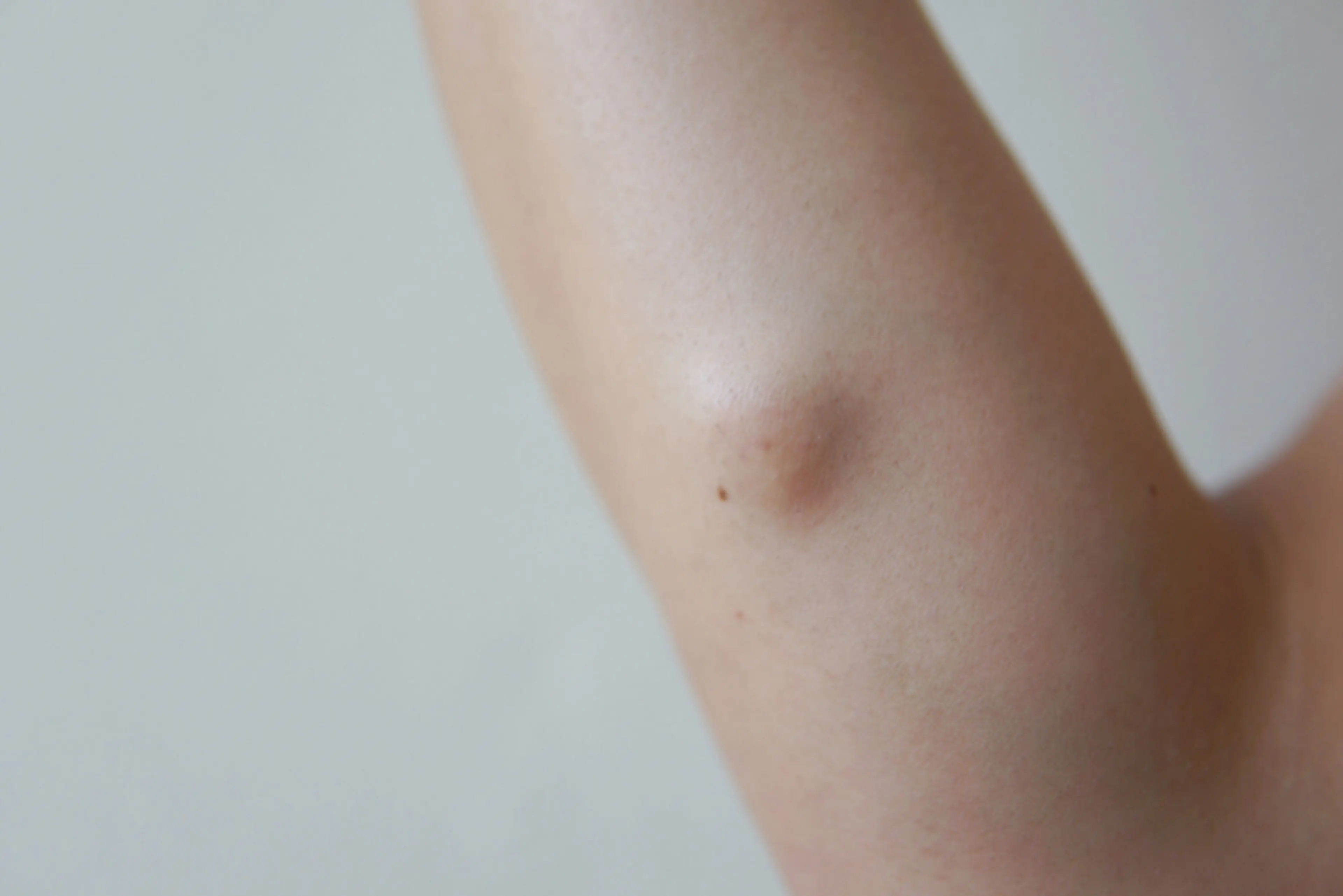
Often dome-shaped and movable under the skin
Contains keratin (a thick, cheese-like material)
Rarely painful unless inflamed or ruptured
Can have a central punctum but often less visible than in sebaceous cysts
They often result from trauma (like a cut or acne) or irritation around hair follicles. Occasionally, they can appear in clusters or develop in areas of repeated friction, such as the shoulders or buttocks.
Microscopically, an epidermoid cyst is lined with stratified squamous epithelium and filled with laminated layers of keratin. Unlike sebaceous cysts, there is no sebum involved. This makes them less oily but still susceptible to rupture if inflamed. Inflammation can lead to surrounding redness, warmth, and tenderness, mimicking abscesses.
Feature | Sebaceous Cyst | Epidermoid Cyst |
|---|---|---|
Origin | Sebaceous gland | Trapped skin cells |
Common Locations | Scalp, face, neck, upper back | Face, neck, trunk |
Contents | Oily, yellow, foul-smelling | White, cheese-like keratin |
Appearance | May have visible punctum | Dome-shaped, often smooth |
Frequency | Relatively rare | Very common |
In most cases, both types of cysts are benign. However, they can become problematic if:
They get infected (causing redness, pain, and pus)
They rupture and re-form repeatedly
They grow large enough to interfere with movement or cause discomfort
There’s concern about potential malignancy (extremely rare but possible)
In Korea, where aesthetics and clear skin are highly valued, even small cysts can become sources of anxiety. At our clinic, we often see patients seeking treatment before a wedding, a job interview, or a social event — not just for health, but for confidence.
We’ve treated patients who tolerated a cyst for years, only to have it suddenly flare up days before a major event. This is where having a surgical team like ours at Always For You becomes invaluable — fast, expert-led care can prevent recurrence and minimize scarring.
While some cysts resolve on their own, many require minor surgical procedures, especially if they recur or become bothersome.
Consider seeking medical attention if:
The cyst is painful, red, or growing
It frequently recurs in the same spot
You’re unsure whether it’s a cyst or another type of growth
You want it removed for cosmetic or comfort reasons
There's any discharge or foul smell from the lump
We also provide bilingual services for international patients and use hospital-grade sterilization protocols to ensure every procedure is performed safely and cleanly. Patients who have previously undergone failed or incomplete excisions at other clinics often come to us for second opinions or corrective care.
To be honest, skin cysts rarely feel urgent — until they suddenly do. Whether you're concerned about a growing bump or simply want peace of mind, taking action sooner is always better.
While Google searches and home remedies can offer temporary comfort, they can't replace a professional diagnosis. Many patients attempt to squeeze or pop a cyst at home, which not only increases the risk of infection but can complicate future surgical removal due to scarring or rupture.