Introduction
is-that-itch-hemorrhoids-or-something-worseMost people have experienced it at least once: a nagging itch or discomfort around the anus. For many, the first thought is hemorrhoids — and often, that’s correct. Hemorrhoids are extremely common, especially among adults in Korea who sit for long hours, eat low-fiber diets, or strain during bowel movements. In fact, studies suggest that nearly three out of four adults will develop hemorrhoids at some point in their lives.
But here’s the important part: not every itch is caused by hemorrhoids. Sometimes, the symptom is a signal of something more complex — from skin irritation to infections, or even early signs of colorectal disease. At Always For You Medical Center in Gwangjin-gu, we often meet patients who’ve delayed care because they assumed it was “just hemorrhoids.” By the time they arrive, the problem has often worsened or requires more advanced treatment.
So how do you know if your itch is harmless, hemorrhoid-related, or something that needs urgent attention? Let’s take a closer look.
Why Hemorrhoids Cause Itching
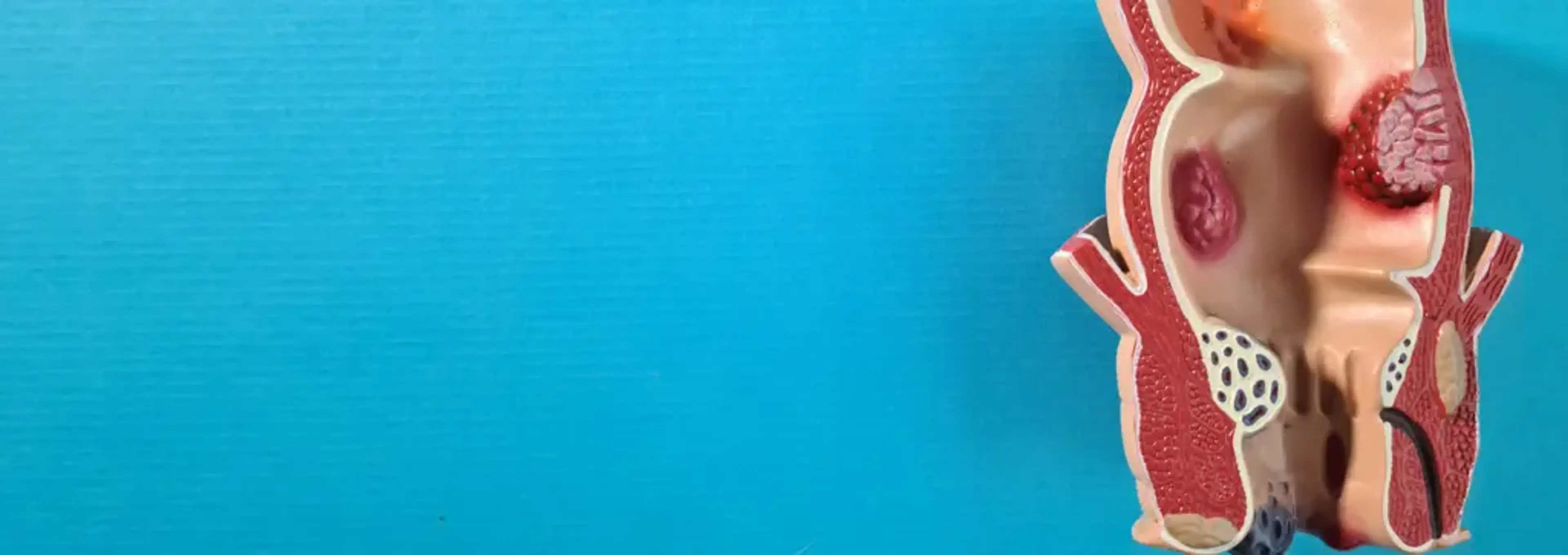
why-hemorrhoids-cause-itchingHemorrhoids are swollen veins in the rectum or anus, much like varicose veins in the legs. They can be:
Internal hemorrhoids: Located inside the rectum, often painless but prone to bleeding.
External hemorrhoids: Forming under the skin around the anus, which may cause itching, swelling, or discomfort.
The itch often comes from several overlapping mechanisms:
Moisture leakage: Internal hemorrhoids may allow small amounts of mucus or stool to escape, irritating the skin.
Inflammation: The stretched skin around swollen veins becomes hypersensitive.
Difficulty cleaning: Pain or swelling can make hygiene less effective, leaving residue that worsens itching.
Skin breakdown: Chronic hemorrhoids can damage nearby skin, leading to secondary irritation.
For many patients, itching is mild and comes and goes. But when it persists, worsens, or is paired with other symptoms, it’s time to consider other causes.
When It’s Not Hemorrhoids: Other Common Causes of Anal Itching
when-it's-not-hemorrhoids:-other-common-causes-of-anal-itchingItching around the anus (pruritus ani) is a symptom, not a diagnosis. While hemorrhoids are common, several other conditions can trigger the same discomfort.
1. Skin Irritation or Allergies
1.-skin-irritation-or-allergiesSoaps, wet wipes, scented toilet paper, or even laundry detergent can irritate delicate skin. In Korea, the frequent use of bidets or wet tissues sometimes worsens the problem rather than helping it, as excessive cleaning strips away protective oils.
👉 Tip: If you notice itching after switching soaps or hygiene habits, try simplifying your routine. Plain water and unscented toilet paper are often safest.
2. Fungal or Parasitic Infections
2.-fungal-or-parasitic-infectionsYeast infections (commonly Candida) can cause redness, swelling, and itching.
Pinworms are especially common in children but can affect adults too, often leading to severe nighttime itching.
These conditions require specific medications — antifungal creams or antiparasitic drugs — and won’t resolve with hemorrhoid ointments.
3. Chronic Skin Conditions
3.-chronic-skin-conditionsDermatological issues like eczema, psoriasis, or lichen sclerosus can affect the anal region just as they do elbows, knees, or scalp. Patients may notice dry patches, scaling, or recurring irritation that doesn’t match classic hemorrhoid symptoms.
4. Anal Fissures
4.-anal-fissuresA small tear in the lining of the anus can mimic hemorrhoid symptoms. Unlike hemorrhoids, fissures often cause sharp pain during bowel movements and streaks of bright red blood. Chronic fissures may also lead to skin tags, confusing the picture further.
5. Colorectal Concerns
5.-colorectal-concernsThis is where vigilance matters most. Rectal polyps, precancerous changes, or even early colorectal cancer can present subtly — sometimes as “just itching” or minor bleeding. Many patients dismiss these signs until later stages, when treatment becomes more complex.
Warning Signs That It’s More Than Hemorrhoids
warning-signs-that-it's-more-than-hemorrhoids
While itching alone is often benign, there are clear red flag symptoms that should prompt immediate evaluation:
Bright red or dark bleeding that continues beyond a few days
A lump that doesn’t shrink or keeps enlarging
Pain that interferes with daily life or prevents sitting comfortably
Unexplained weight loss, fatigue, or iron-deficiency anemia
Changes in bowel habits — constipation alternating with diarrhea, narrower stools, or urgency
Persistent itching despite over-the-counter creams or improved hygiene
If you notice one or more of these, it’s important to seek medical evaluation quickly.
Why Koreans Delay Care — and Why That’s Risky
why-koreans-delay-care-and-why-that's-riskyTo be honest, colon and anal health is not something most people want to discuss. There’s cultural hesitation — embarrassment, or the belief that “it will go away on its own.” Many patients try home remedies, avoid certain foods, or ignore the symptoms until discomfort becomes unbearable.
But at our center, we see daily proof that early diagnosis prevents bigger problems. Think of the colon like Seoul’s subway system: if there’s a blockage or disruption, the whole network slows down. Addressing small issues early keeps the system running smoothly. Ignoring them allows complications to build silently.
It’s also important to remember that Korea has one of the highest incidences of colorectal cancer worldwide. Routine screenings and prompt attention to symptoms are not just good practice — they can be lifesaving.
How We Diagnose the Cause at Always For You Medical Center
how-we-diagnose-the-cause-at-always-for-you-medical-center
At Always For You, our approach is designed to be thorough yet minimally stressful:
Careful Consultation – We take the time to listen. Understanding your full history, lifestyle, and symptoms often gives us important diagnostic clues.
Physical Exam & Anoscopy – Quick, minimally uncomfortable examinations help identify hemorrhoids, fissures, or infections.
Colonoscopy When Needed – For patients over 40, or those with bleeding and risk factors, we recommend same-day colonoscopy. It remains the gold standard for detecting polyps, inflammation, or early cancer.
Laboratory & Imaging Tests – Stool analysis, blood work, or ultrasound may be used when infections or systemic conditions are suspected.
Personalized Treatment Plan – From simple creams to advanced minimally invasive surgery, every step is tailored to the patient’s health goals and lifestyle.
Because our clinic combines surgery, gastroenterology, and internal medicine under one roof, patients benefit from a seamless system. There’s no need to shuttle between multiple hospitals — everything from diagnosis to treatment can be handled in one place.
Treatment Options: From Simple Relief to Surgical Precision
treatment-options:-from-simple-relief-to-surgical-precisionTreatment always depends on the underlying cause, but here’s what patients can expect:
Lifestyle adjustments: Increasing dietary fiber, staying hydrated, and avoiding prolonged sitting are foundational.
Medical therapy: Topical ointments for hemorrhoids, antifungal creams for yeast infections, or antiparasitic drugs for pinworms.
Office procedures: Rubber band ligation, sclerotherapy, or laser treatment for persistent hemorrhoids — minimally invasive options that allow quick recovery.
Surgery: Reserved for advanced hemorrhoids or complex anal conditions. At Always For You, these procedures are performed by expert surgeons with decades of experience at Korea’s top medical centers.
Most importantly, treatment isn’t just about fixing the problem. It’s about restoring your comfort, dignity, and peace of mind.
Prevention: Protecting Your Colon and Anal Health
prevention:-protecting-your-colon-and-anal-healthWhile not every cause of anal itching can be prevented, many habits make a meaningful difference:
Eat a fiber-rich diet: Fruits, vegetables, and whole grains keep stools soft and reduce strain.
Stay hydrated: Adequate water supports bowel regularity.
Practice gentle hygiene: Use plain water and soft, unscented toilet paper. Avoid overusing wet wipes or harsh soaps.
Limit sitting time: Take breaks if you sit for long hours at work.
Regular screenings: Adults over 40 should consider colonoscopy, even if symptoms seem minor.
Final Thought: Don’t Wait for Symptoms to Worsen
final-thought:-don't-wait-for-symptoms-to-worsenAnal itching can be embarrassing, but it’s also your body’s way of asking for attention. Whether it’s hemorrhoids or something more serious, early care makes recovery faster and less complicated.
If you’re struggling with ongoing anal discomfort, don’t ignore it. Visit a trusted, expert-led center like Always For You Medical Center, where diagnosis and treatment are precise, discreet, and compassionate.
👉 Your health — and peace of mind — are worth it.