Benign vs Malignant Tumors: Key Differences
is-it-cancer-understanding-benign-vs-malignant-tumorsWhen most people hear the word “tumor,” the first thought that comes to mind is cancer. It’s an understandable reaction — cancer is one of the most feared diseases worldwide, and in Korea, it remains a leading cause of illness and death. But not every tumor is malignant, and not every lump in the body is life-threatening. In fact, many tumors are benign (non-cancerous), and with careful evaluation, doctors can usually distinguish between the two.
At Always For You Medical Center in Gwangjin-gu, Seoul, our mission is not only to treat disease but also to remove fear by clarifying uncertainty. Many patients come to us after a health screening or routine check-up reveals a “mass” on imaging. At that moment, the most important step is not rushing into assumptions, but understanding the difference between benign and malignant tumors — and what each means for your health and future care.
What Exactly Is a Tumor?
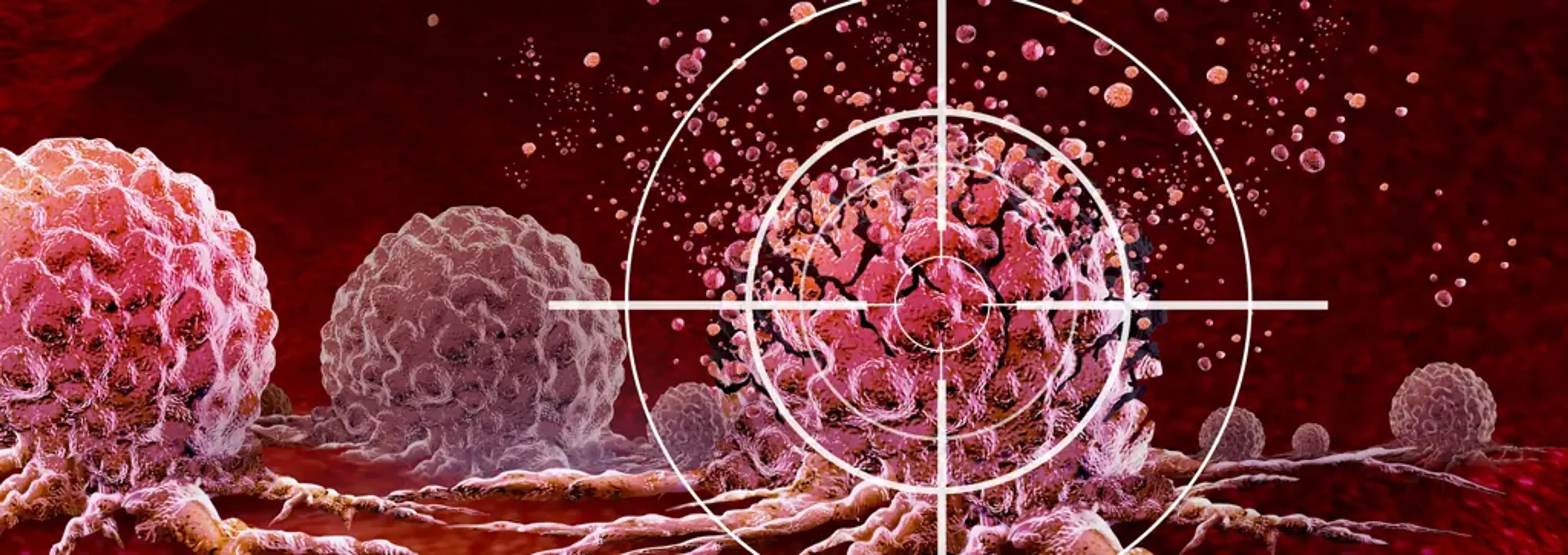
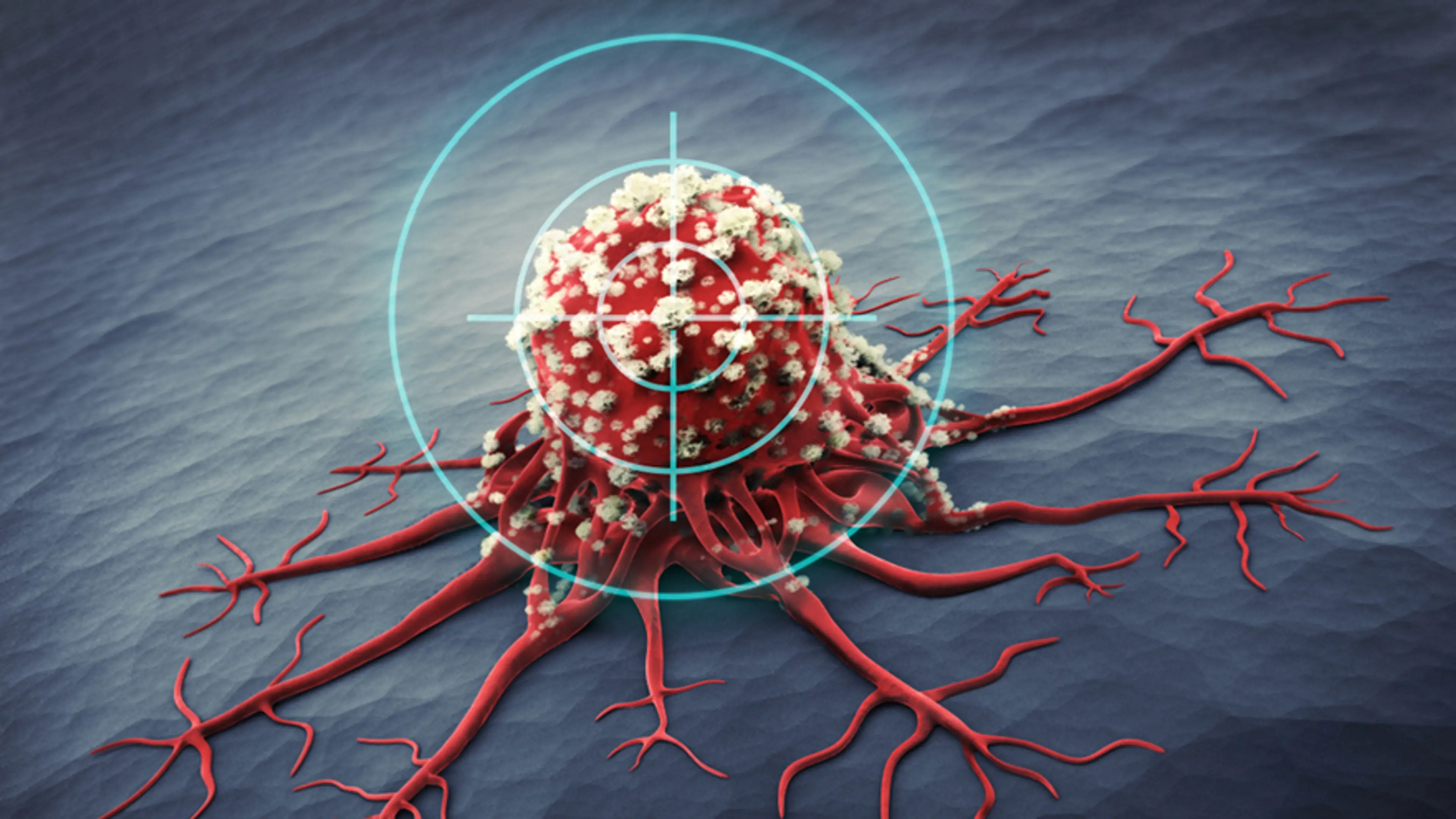
what-exactly-is-a-tumorA tumor is simply an abnormal growth of cells. Normally, cells in the body follow a natural rhythm: they grow, divide, and die in an orderly cycle. This cycle is essential for tissue repair, immune defense, and overall body function. But when this control system malfunctions, cells may begin dividing uncontrollably, forming a lump or growth we call a tumor.
Benign tumors consist of cells that resemble normal tissue, grow slowly, and usually remain localized. They do not invade neighboring organs or spread to distant sites.
Malignant tumors (cancers) are aggressive. They can grow quickly, invade nearby tissues, and spread through blood or lymphatic channels to other parts of the body — a process known as metastasis.
To put it in perspective: a benign tumor is like a polite guest who overstays their welcome — inconvenient, sometimes requiring intervention, but usually not destructive. A malignant tumor, however, is more like an intruder breaking into multiple houses on the street, leaving damage wherever they go.
Key Differences Between Benign and Malignant Tumors
key-differences-between-benign-and-malignant-tumorsFeature | Benign Tumor | Malignant Tumor |
|---|
Growth Speed | Slow, often stable for years | Rapid, progressive |
Borders | Well-defined, smooth | Irregular, infiltrative |
Spread | Does not spread beyond origin | Can invade and metastasize |
Cell Appearance | Cells resemble normal tissue | Abnormal, disorganized cells |
Risk to Life | Rarely life-threatening | Potentially fatal if untreated |
Treatment | Sometimes observation or minor removal | Requires surgery, systemic therapy, or both |
It’s worth noting that location matters. A benign brain tumor, for example, can still be dangerous if it presses on critical structures. That’s why evaluation by a qualified specialist is so important.
Common Examples of Benign Tumors
common-examples-of-benign-tumors
Many benign tumors are surprisingly common, and most people will encounter at least one type in their lifetime. Some of the most frequent include:
Lipoma: A soft, fatty lump under the skin, usually harmless and more of a cosmetic concern.
Fibroid (Uterine Myoma): Common in women, these growths in the uterus can cause heavy menstrual bleeding, pelvic pain, or fertility issues.
Adenoma: Benign glandular tumors, often found in the colon, thyroid, or adrenal glands. Some can produce hormones, creating systemic symptoms.
Hemangioma: A cluster of abnormal blood vessels, often appearing as a red or purple mark on the skin.
Colorectal Polyps: While technically benign, some polyps have the potential to become malignant over time — which is why colonoscopy screenings are so valuable in Korea.
At Always For You, we see many patients who discover these lesions during routine comprehensive health screenings. In many cases, reassurance and careful monitoring are all that’s needed.
When to Worry: Signs of Malignancy
when-to-worry:-signs-of-malignancyWhile most tumors are benign, certain features should raise concern:
Rapid or unexplained growth in size
Hard, immovable consistency
Irregular or poorly defined borders
Recurrence after removal
Symptoms such as unexplained weight loss, fatigue, bleeding, night sweats, or persistent pain
For example, in gastrointestinal health, rectal bleeding is often dismissed as hemorrhoids. But in some cases, it signals colorectal cancer. In Korea, where colorectal cancer ranks among the most common cancers, we encourage patients not to ignore these “minor” symptoms.
Cultural hesitation plays a role. Many patients feel embarrassed to discuss bowel habits, rectal bleeding, or abdominal discomfort. Yet these conversations are crucial for early detection and prevention.
How Doctors Tell the Difference
how-doctors-tell-the-difference
Distinguishing benign from malignant tumors is rarely based on one test alone. Instead, doctors use a step-by-step approach that may include:
Medical History & Physical Exam
When did the mass appear?
Is it painful, growing, or associated with systemic symptoms?
Imaging Studies
Ultrasound: Useful for soft tissue lumps and abdominal organs.
CT Scan & MRI: Provide detailed information about size, borders, and potential invasion.
PET Scan: Sometimes used to detect spread or metabolic activity.
Endoscopy
Biopsy & Pathology
Many patients ask, “Can’t you tell just by looking at the scan?” While imaging provides strong clues, only a biopsy gives definitive answers.
Why Early Diagnosis Matters
why-early-diagnosis-mattersOne of the most powerful truths in oncology is that timing changes everything.
Benign tumors may need no treatment at all if they remain stable.
Pre-cancerous lesions, like adenomatous polyps in the colon, can be removed before they ever become malignant.
Malignant tumors detected early are often treated with minimally invasive surgery, allowing quicker recovery, less pain, and better long-term outcomes.
Delayed diagnosis, however, can mean advanced disease, requiring extensive surgery, chemotherapy, or radiation. This is why Korea’s national health system emphasizes regular screenings, particularly colonoscopy from age 50 (earlier if risk factors exist).
At Always For You Medical Center, our philosophy is rooted in precision and compassion. As former surgical leaders at Asan Medical Center and Seoul National University Hospital, Dr. Woo-Young Yoon and Dr. Byung-Hoon Son emphasize minimally invasive techniques that remove only what is necessary, preserving quality of life while ensuring safety.
Treatment Pathways
treatment-pathwaysTreatment depends not only on whether a tumor is benign or malignant, but also on its location, size, and impact on surrounding organs.
Benign tumors: Often monitored with imaging. If they cause pain, bleeding, obstruction, or cosmetic concerns, surgical removal may be considered.
Borderline or Pre-cancerous lesions: Such as colon polyps, require removal to prevent progression.
Malignant tumors: Require a personalized treatment plan, which may include:
At Always For You, we design each plan around the patient’s overall health, lifestyle, and preferences. For instance, a working professional with colorectal cancer may benefit from a laparoscopic resection that allows faster return to daily life.
A Gentle Reminder
a-gentle-reminderTo be honest, nobody enjoys talking about tumors. For many, the word itself brings anxiety. Some patients hope symptoms will fade if ignored, but the reality is that uncertainty is often more dangerous than the diagnosis itself.
Clarity gives patients power. Whether the mass is benign or malignant, knowing the truth allows for action, and often, early action makes all the difference.
That’s why choosing a clinic with integrated expertise matters. At Always For You, our team combines imaging, internal medicine, endoscopy, and surgery in one coordinated system — meaning you don’t just receive test results, but a clear explanation and tailored next steps.
Final Thoughts
final-thoughtsNot all tumors mean cancer. Many are harmless, but some require immediate attention. The key is not guessing, nor delaying, but seeking expert evaluation.
At Always For You Medical Center, we believe that medical precision must go hand in hand with patient reassurance. If you’ve discovered a lump, or if persistent symptoms are troubling you, don’t wait in uncertainty. Come see us — so we can provide answers, peace of mind, and the right care for your journey ahead.