Home / Articles
From Diet to Treatment: A Complete Guide to Anal Fissure Healing
Home / Articles
From Diet to Treatment: A Complete Guide to Anal Fissure Healing
If you’ve ever felt a sharp, tearing pain during or after a bowel movement — followed by drops of bright red blood — you may be dealing with an anal fissure. To be honest, this isn’t the kind of topic people enjoy bringing up at dinner tables, but at Always For You Medical Center, we know that timely, precise care can save you months of pain and worry.
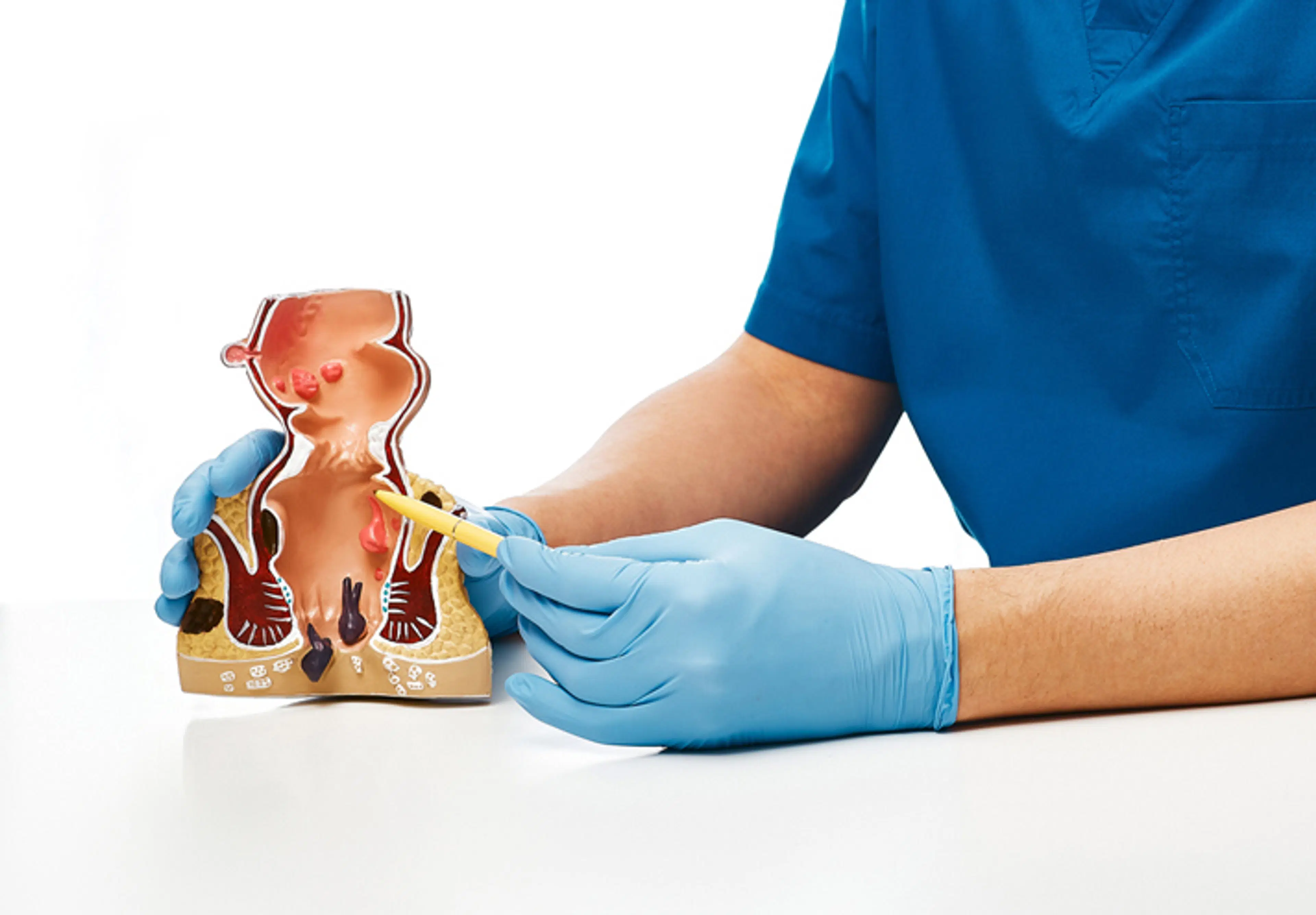
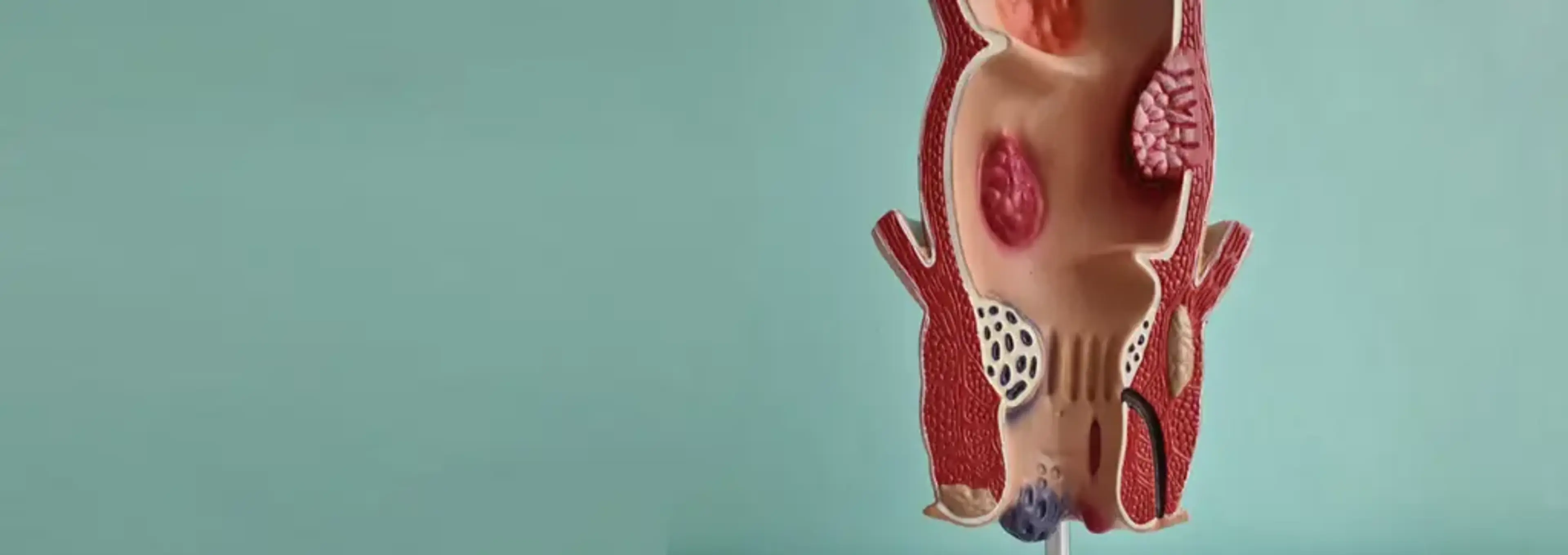
An anal fissure is a small tear in the lining of the anal canal. Think of it like a paper cut in one of the most sensitive areas of your body. For many, it comes unexpectedly — often triggered by hard stools, chronic constipation, or even severe diarrhea. The result? Painful bowel movements, bleeding, and a vicious cycle where fear of pain leads to holding back bowel movements, which only worsens constipation.
The root cause is almost always trauma to the delicate anal lining. This can happen when passing large, hard stools or straining too much. In some cases, conditions like inflammatory bowel disease (IBD) or childbirth can play a role. Many people are surprised to learn that stress and irregular eating habits can indirectly contribute by upsetting normal bowel patterns.
In Korea, busy lifestyles and a diet low in fiber are common culprits. Long work hours, skipped meals, and excessive coffee can lead to chronic constipation — a perfect storm for fissures.
Typical signs include:
Sharp pain during or after passing stool
Bright red blood on toilet paper or in the bowl
A visible tear near the anus
Itching or discomfort that lingers
However, fissures can sometimes be confused with hemorrhoids. A careful examination by an experienced doctor is the best way to confirm. At Always For You Medical Center, we use high-precision anoscopy and imaging when needed to rule out other conditions.
The good news? Many acute fissures heal within a few weeks — if you support the healing process properly. But when fissures become chronic (lasting more than six weeks), they often develop a tiny muscle spasm in the anal sphincter that prevents proper healing. This is when expert care makes all the difference.
For most patients, we start with the simplest — yet most overlooked — approach: food and daily habits. Here’s what we advise:
Fiber softens stools and makes them easier to pass. Aim for 25–35 grams per day through vegetables, fruits, whole grains, and legumes. In Korea, kimchi and seasoned vegetables are good options — but watch out for spicy dishes if you’re already in pain.
Dehydration makes stools harder. A simple rule is 6–8 glasses of water daily. If you drink a lot of coffee, balance it with extra water.
Don’t ignore the urge to go. Holding it in makes stools drier and harder. Try to go at the same time each day, ideally after breakfast.
A warm sitz bath for 10–15 minutes, 2–3 times a day, relaxes the anal muscles and promotes blood flow for healing.
Take your time. If it’s not coming, don’t force it. A footstool under your feet can help you achieve a better position.
If you’ve tried these measures for 2–3 weeks and still feel sharp pain or see blood, it’s time for professional help. Chronic fissures rarely heal on their own and can lead to complications like infections or fistulas.
At Always For You Medical Center, our colorectal specialists create customized treatment plans. Sometimes, simple prescription ointments that relax the anal sphincter muscle can do wonders. In more stubborn cases, a minor procedure may be needed.
First, we try topical treatments like nitroglycerin ointment or calcium channel blockers. These help relax the sphincter muscle, improve blood flow, and speed healing. Painkillers and stool softeners may also be prescribed.
When ointments aren’t enough, Botox can be injected to temporarily paralyze the overactive sphincter muscle. This allows the tear to heal naturally over a few weeks.
For fissures that won’t heal despite conservative treatment, a procedure called lateral internal sphincterotomy (LIS) may be recommended. This tiny cut in the sphincter muscle reduces spasm and pain — and has a very high success rate when performed by skilled hands.
At Always For You Medical Center, we prioritize minimally invasive approaches with precise post-operative care to ensure quick recovery and minimize side effects.
With proper self-care and medical treatment, most patients heal within a few weeks to two months. Chronic cases that require surgery usually heal within 4–6 weeks after the procedure. The key is to stick with your fiber intake, stay hydrated, and follow your doctor’s advice — even after you feel better.
One thing we often tell our patients is that fissures love to come back — unless you make small, lasting changes:
Keep your diet fiber-rich and balanced.
Maintain regular bowel habits.
Stay active to promote good digestion.
Address underlying conditions like chronic constipation or IBS.
Think of your digestive system as the subway lines under a city — smooth, predictable traffic keeps everything running well. A blockage or jam can cause problems far down the line.
At Always For You Medical Center, we understand that an anal fissure, while small, can feel overwhelming. Many people delay seeking help out of embarrassment — but discreet, specialized care can spare you unnecessary pain.
If you’re experiencing persistent anal pain or bleeding, don’t hesitate to consult a colorectal expert. A personalized plan — like those we offer — can help you heal quickly and prevent the problem from coming back.
Your comfort, dignity, and long-term health always come first.