Introduction
fibroma-explained:-causes-symptoms-and-treatment-optionsWhen you hear the word tumor, it can be unsettling. Many patients who visit our clinic in Seoul tell us they immediately think of cancer when they discover a lump. But not all growths are dangerous. A fibroma is one of the most common benign (non-cancerous) tumors, and while it can still cause symptoms and discomfort, it rarely poses a serious threat.
At Always For You Medical Center in Gwangjin-gu, we meet patients who discover fibromas in many different ways — sometimes through a health screening, sometimes when addressing unrelated symptoms, and occasionally when they notice a lump themselves. Whatever the situation, understanding what fibromas are and how they’re treated can help reduce worry and guide smart decisions about care.
What Exactly Is a Fibroma?
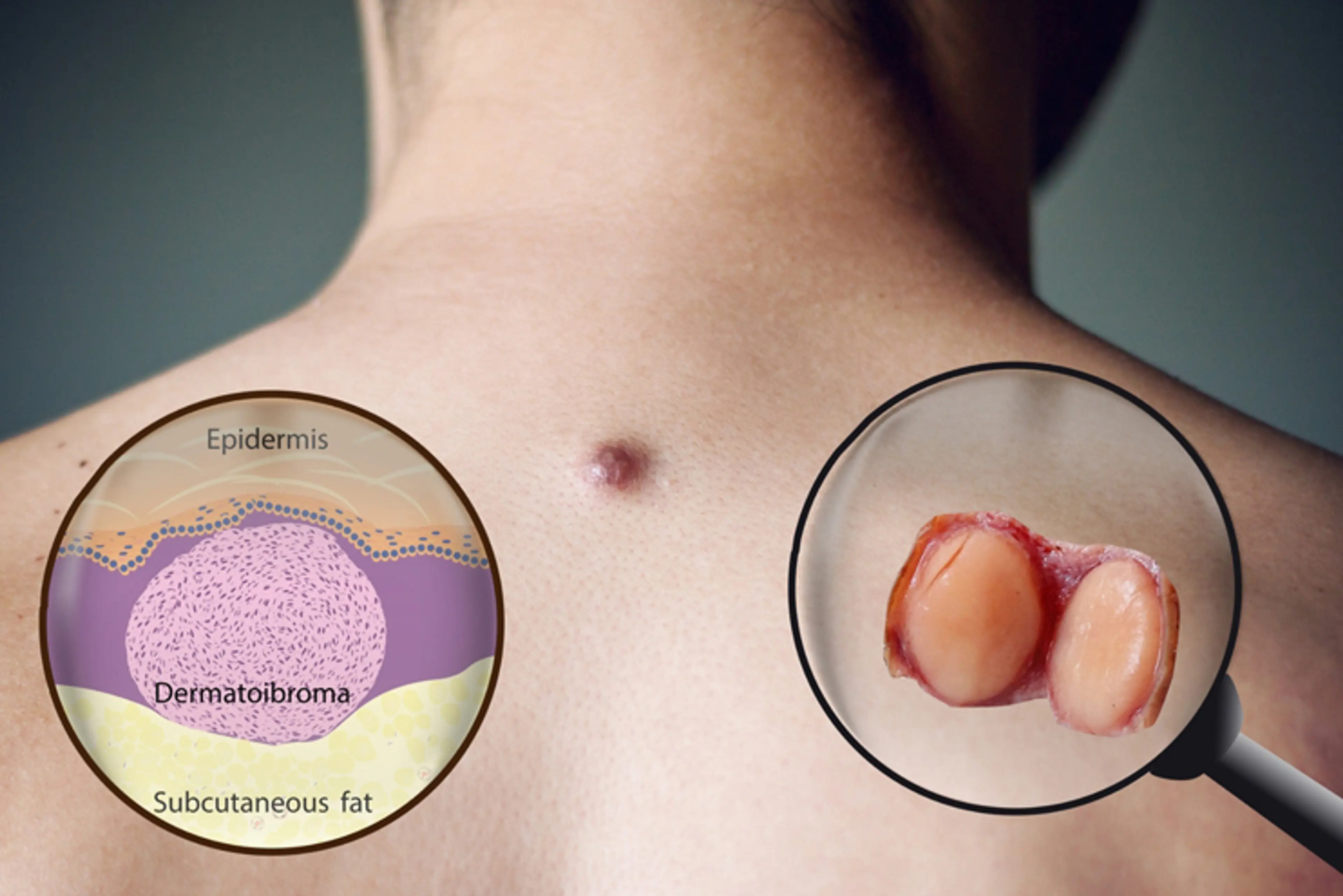
what-exactly-is-a-fibromaA fibroma is a growth made up mostly of fibrous or connective tissue. Unlike malignant tumors, fibromas do not spread to other organs or invade aggressively. They usually grow slowly, remain well-contained, and in many cases, cause little to no pain.
To picture it simply, connective tissue is like the “framework” or “scaffolding” that holds the body together. It’s found in skin, muscles, ligaments, and internal organs. When cells in this tissue multiply abnormally but harmlessly, a fibroma forms.
Fibromas can appear almost anywhere in the body. Some of the most common types include:
Oral fibromas – Small, firm bumps often caused by repeated irritation, such as biting the inside of the cheek or rubbing from dentures.
Skin fibromas – Nodules or raised growths on the skin, usually harmless but sometimes cosmetically concerning.
Uterine fibromas (fibroids) – Non-cancerous tumors inside or on the uterus; extremely common among women of reproductive age.
Soft-tissue fibromas – Less frequent, but possible in deeper structures like the ovaries, lungs, or gastrointestinal tract.
Though the word “tumor” can sound frightening, fibromas are part of a broader group of benign conditions. Still, because other types of growths can appear similar, a precise diagnosis is always important.
Causes of Fibroma Formation
causes-of-fibroma-formationThe development of a fibroma can be influenced by several factors, and the exact cause is not always straightforward. However, medical research and clinical experience highlight key triggers:
1. Chronic Irritation or Repeated Trauma
1.-chronic-irritation-or-repeated-traumaMany fibromas arise in response to persistent irritation. For example, oral fibromas frequently form on the inside of the cheeks or along the tongue where teeth or dental appliances repeatedly rub. Over time, this stimulation prompts tissue overgrowth.
2. Hormonal Influences
2.-hormonal-influencesUterine fibroids are strongly linked to hormone levels, especially estrogen and progesterone. They often grow during reproductive years, when hormone activity is highest, and shrink after menopause. Hormonal changes during pregnancy can also influence fibroid growth.
3. Genetic Predisposition
3.-genetic-predispositionStudies show that fibroids and other fibromas may run in families. If a mother or sister has uterine fibroids, the likelihood of another family member developing them increases significantly.
4. Inflammation & Healing Response
4.-inflammation-and-healing-responseSometimes, a fibroma can be viewed as the body’s “overreaction” to healing. After an injury or ongoing inflammation, fibrous tissue may proliferate excessively, forming a growth instead of a smooth repair.
5. Lifestyle and Environmental Factors
5.-lifestyle-and-environmental-factorsWhile not direct causes, factors like diet, stress, and metabolic health can play indirect roles in fibroid development, especially for uterine fibroids. For example, obesity and high blood pressure have been linked to higher rates of fibroid growth.
Common Symptoms of Fibromas
common-symptoms-of-fibromasThe experience of having a fibroma varies greatly depending on location, size, and type.
Silent Fibromas
silent-fibromasMany fibromas cause no symptoms at all. These are often discovered during routine check-ups, imaging scans, or dental visits. Patients may be unaware of their existence until a doctor points them out.
Visible or Palpable Lumps
visible-or-palpable-lumpsOral or skin fibromas typically appear as firm nodules. They may be flesh-colored or slightly darker, and though usually painless, they can be bothersome cosmetically or when irritated.
Subcutaneous fibromas (just under the skin) can feel like small, movable lumps.
Functional Symptoms
functional-symptomsOral fibromas may interfere with chewing, speaking, or denture use if located in high-friction areas.
Uterine fibroids are the most symptomatic type, often causing:
Heavy or prolonged menstrual bleeding
Pelvic pain or pressure
Bloating or fullness in the lower abdomen
Frequent urination (if pressing on the bladder)
Difficulty with fertility or pregnancy in certain cases
Pressure Effects
pressure-effectsIn rare cases where fibromas grow large inside the body, they may press on nearby organs, leading to discomfort, bowel changes, or other secondary symptoms.
💡 Clinical note: At our clinic, we often meet patients who waited months or even years before addressing a fibroma because “it didn’t hurt.” Yet during that time, the growth sometimes expanded and began causing preventable complications. Early consultation helps avoid these situations.
How Fibromas Are Diagnosed
how-fibromas-are-diagnosedAccurate diagnosis is the key to peace of mind. At Always For You Medical Center, we follow a structured approach to ensure that what looks like a fibroma truly is benign — and not a more serious condition.
1. Clinical Examination
1.-clinical-examinationFor skin and oral fibromas, a physical exam is often enough. Doctors assess the size, consistency, and location of the lump.
2. Imaging Tests
2.-imaging-testsUltrasound is commonly used for uterine and soft-tissue fibromas.
MRI or CT scans may be ordered if the growth is deep, large, or located near critical structures. These tools help define the exact size and relationship to surrounding tissues.
3. Biopsy or Tissue Sampling
3.-biopsy-or-tissue-sampling
In uncertain cases, a small tissue sample may be removed and examined under a microscope. This step confirms the diagnosis and rules out malignant tumors.
At Always For You, our integrated diagnostic system means that consultation, imaging, and pathology services are streamlined — reducing delays that patients often face in larger hospital systems.
Treatment Options for Fibromas
treatment-options-for-fibromasNot every fibroma requires treatment. In fact, many are simply observed with routine monitoring. The decision depends on:
1. Observation & Monitoring
1.-observation-and-monitoringSmall, painless fibromas that pose no functional problems are often managed with a “watch-and-wait” approach. Regular check-ups ensure that changes are detected early.
2. Surgical Removal
2.-surgical-removalMinor excision: Oral and skin fibromas can often be removed quickly in an outpatient setting, with minimal discomfort and rapid healing.
Laparoscopic or minimally invasive surgery: For uterine fibroids or deeper fibromas, modern techniques allow removal through small incisions, reducing pain, hospital stay, and scarring.
Myomectomy: A fertility-preserving surgery for uterine fibroids, where only the fibroid is removed while keeping the uterus intact.
3. Medication (for Uterine Fibroids)
3.-medication-(for-uterine-fibroids)4. Non-Surgical Interventions
4.-non-surgical-interventionsUterine Artery Embolization (UAE): A minimally invasive radiology procedure that cuts off blood supply to fibroids, causing them to shrink.
Focused Ultrasound Surgery (FUS): A newer method using high-frequency sound waves to destroy fibroid tissue without incisions.
💡 Doctor’s insight: Patients often ask, “Will the fibroma come back after removal?” In most cases, once removed, a fibroma does not recur in the same spot. However, uterine fibroids may develop again due to ongoing hormonal influences, which is why personalized treatment planning is important.
Living with a Fibroma: When to Seek Help
living-with-a-fibroma:-when-to-seek-helpWhile most fibromas are harmless, it’s important to know when to see a doctor. Seek medical advice if you notice:
A lump that is growing, changing, or painful
Oral or skin fibromas that interfere with daily activities
Heavy menstrual bleeding, pelvic pressure, or fertility issues (suggestive of uterine fibroids)
Unexplained gastrointestinal or urinary symptoms that could be linked to internal fibromas
Ignoring a fibroma rarely leads to life-threatening outcomes, but it can allow unnecessary discomfort, blood loss, or functional problems to worsen over time.
Why Choose Always For You Medical Center?
why-choose-always-for-you-medical-center
At Always For You Medical Center, we understand that even a benign diagnosis can feel unsettling. That’s why our approach combines advanced diagnostic technology with compassionate, patient-first care.
Expert Leadership: Our team is led by Dr. Woo-Young Yoon and Dr. Byung-Hoon Son, former surgical department heads at Asan Medical Center and Seoul National University Hospital.
Integrated Care: From imaging and internal medicine to minimally invasive surgery, everything is offered under one roof for convenience and continuity.
Personalized Plans: Whether monitoring, surgery, or advanced non-invasive procedures, treatment is tailored to each patient’s health goals and lifestyle.
Comfort-Driven Environment: Designed like a boutique hotel rather than a hospital, our clinic ensures that every visit feels calming and dignified.
Final Takeaway
final-takeawayFibromas are benign tumors of connective tissue. While they are usually not dangerous, they can cause significant symptoms depending on size and location. Proper diagnosis is essential to distinguish fibromas from other growths and to determine whether treatment is necessary.
At Always For You Medical Center, we provide comprehensive, expert-led care for fibromas — from simple reassurance and monitoring to advanced surgical or non-surgical interventions.
👉 If you’ve noticed a lump, are experiencing unexplained symptoms, or simply want peace of mind, consider scheduling a consultation with a trusted multidisciplinary clinic like Always For You. With the right guidance, fibromas can be managed effectively, restoring both health and confidence.