Introduction
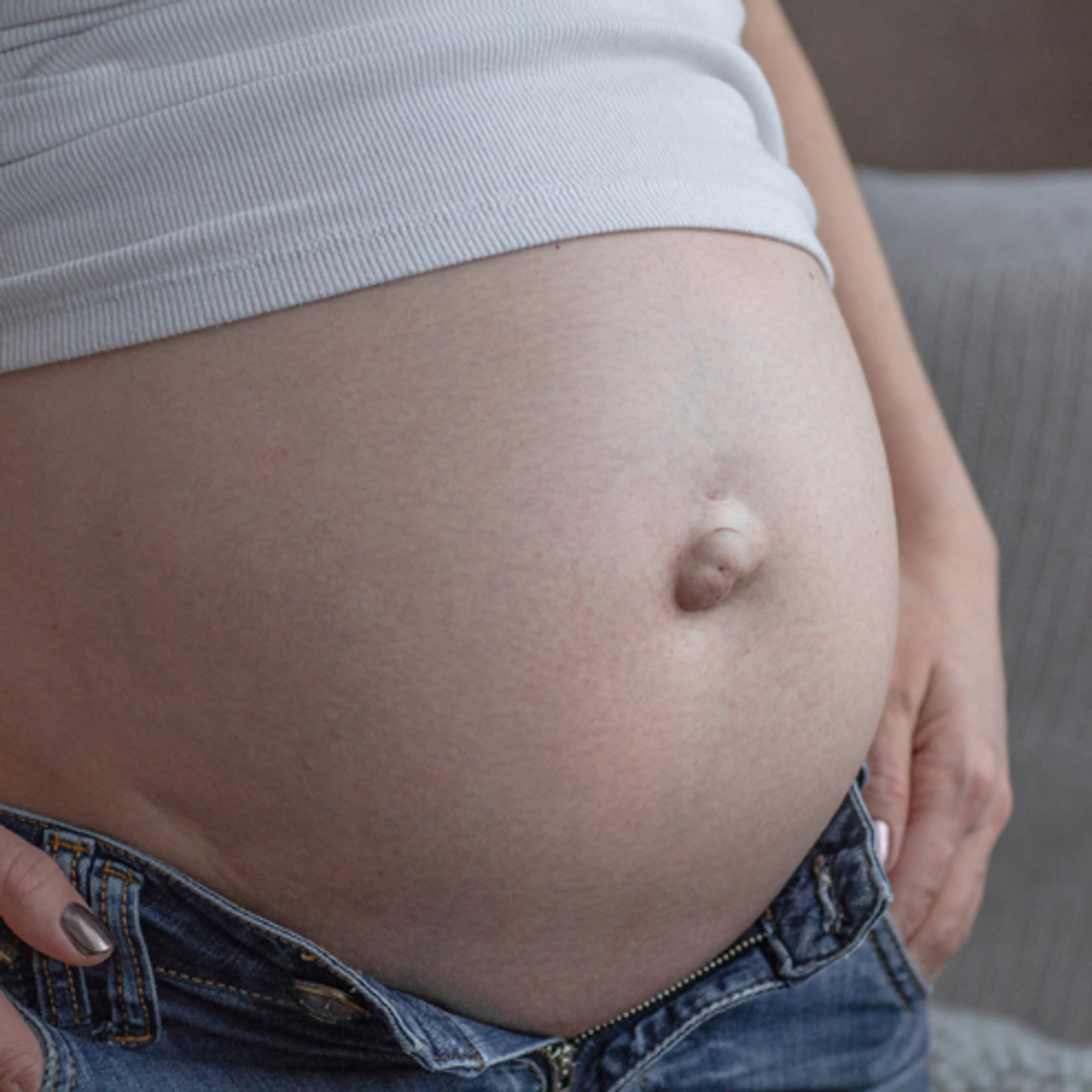
diastasis-recti-or-hernia-know-the-difference-and-when-to-treatMany people first notice it when looking in the mirror or after a workout: a bulge or ridge forming down the middle of the abdomen. For some, it’s especially visible when sitting up from bed or doing a crunch. For others, it’s a soft swelling near the navel that seems to grow over time.
This naturally leads to worry — is this a hernia, or something else?
The truth is, abdominal wall changes are common, especially after pregnancy, weight fluctuations, or prior surgeries. Two of the most frequent culprits are diastasis recti and hernias. They can look similar from the outside, but medically they are quite different — and the timing and necessity of treatment varies.
At Always For You Medical Center in Seoul, our surgical specialists see this concern often. Patients arrive unsure whether they need urgent surgery or whether the issue is harmless. Understanding the difference between diastasis recti and hernias can help you know when to seek treatment, what options are available, and how to protect your long-term abdominal health.
What Is Diastasis Recti?
what-is-diastasis-rectiDiastasis recti refers to a widening of the space between the rectus abdominis muscles — the paired “six-pack” muscles that run vertically down the abdomen. Normally, these muscles are joined in the middle by a fibrous band called the linea alba. When the linea alba stretches and thins, the muscles drift apart, creating a gap.
Causes and Risk Factors
causes-and-risk-factorsDiastasis recti is particularly well known in postpartum women, but it’s not limited to them. Other groups are at risk:
Pregnancy: The growing uterus stretches the abdominal wall. Up to two-thirds of women experience some degree of separation during or after pregnancy.
Men with central obesity: Constant outward pressure from visceral fat can weaken connective tissue.
Chronic strain: Heavy weightlifting, persistent coughing, or constipation-related straining may widen the gap.
Genetics: Some individuals have naturally weaker connective tissue.
Symptoms and Appearance
symptoms-and-appearanceA visible midline ridge or dome-shaped bulge, most noticeable when sitting up or straining.
A feeling of core weakness, difficulty with posture, or “floppiness” of the abdomen.
In some cases, low back pain or pelvic instability, as the abdominal wall no longer supports the spine effectively.
Importantly, diastasis recti is not a hole — it’s a stretching problem. To visualize it, think of subway tiles slowly pulling apart. The surface is still intact, but the spacing between them has widened.
What Is a Hernia?
what-is-a-herniaA hernia is a structural defect in the abdominal wall — a hole or tear in the muscle layer that allows fat, intestine, or other tissue to protrude through.
Types of Hernias
types-of-herniasUmbilical hernia: Around the belly button; common in infants, pregnant women, and overweight adults.
Epigastric hernia: Between the navel and chest; often small but can enlarge.
Inguinal hernia: In the groin, more common in men; sometimes extending into the scrotum.
Incisional hernia: At the site of previous abdominal surgery, where the wall never fully healed.
Femoral hernia: Near the upper thigh; more common in women.
Symptoms and Appearance
symptoms-and-appearanceA localized bulge or lump that may increase with coughing, standing, or lifting.
Discomfort or pain, ranging from dull pressure to sharp, intermittent pain.
The bulge may be reducible (pushes back in when lying down) or non-reducible (stays protruded).
Unlike diastasis recti, hernias carry real risks. A hernia can trap intestine, leading to incarceration (tissue stuck outside the wall) or strangulation (blood supply cut off). Both require urgent surgery.
How to Tell the Difference
how-to-tell-the-differencePatients often confuse diastasis recti and hernias — and in fact, they sometimes occur together. However, some clinical clues help distinguish them.
Feature | Diastasis Recti | Hernia |
|---|
Nature | Muscle stretching & separation | Defect (hole) in abdominal wall |
Risk of strangulation | None | Yes, potentially dangerous |
Location | Midline from chest to pelvis | Localized (umbilicus, groin, surgical scar) |
Appearance | Long ridge or bulge, soft, diffuse | Localized lump, firmer |
Pain | Rare, more weakness | Common, especially with strain |
Management | Exercise, posture, sometimes surgery | Almost always surgical |
At Always For You Medical Center, we often perform abdominal ultrasound or CT scans to confirm the diagnosis. Imaging helps identify whether the bulge is simply muscle separation or a true hernia defect — and also reveals hidden hernias not obvious on exam.
Do You Need Treatment?
do-you-need-treatmentNot every abdominal wall change requires immediate surgery. The right approach depends on whether the condition is diastasis recti or a hernia, how severe it is, and how it affects daily life.
Diastasis Recti
diastasis-rectiMild to moderate cases: Often improved through targeted core strengthening (focusing on the transverse abdominis rather than crunches, which worsen separation). Physical therapy can restore function and stability.
Large or persistent gaps: If separation is wider than 2–3 cm, and especially if accompanied by discomfort, poor posture, or dissatisfaction with appearance, surgical repair may be considered.
Surgical approach: Surgeons can use a technique called plication, which folds and tightens the linea alba, bringing the rectus muscles back together. In some cases, mesh reinforcement may be added for durability.
Hernia
herniaObservation: Very small, asymptomatic hernias may be monitored, but they rarely close spontaneously.
Surgery is the standard of care: Most hernias eventually enlarge or become symptomatic. Early repair reduces the risk of emergency complications.
Minimally invasive options: Laparoscopic or robotic surgery allows for small incisions, quicker recovery, and lower recurrence rates compared to traditional open repair. Mesh reinforcement strengthens the abdominal wall and reduces the chance of re-herniation.
At our center, we take a patient-first approach:
We recommend treatment when the condition impacts health, safety, or quality of life.
We tailor the surgical method to the patient’s body type, activity level, and recovery goals.
For cosmetic concerns (especially postpartum women), we carefully balance functional repair with aesthetic results.
When to See a Doctor
when-to-see-a-doctor
Even if symptoms seem minor, certain warning signs mean it’s time to seek medical attention:
A bulge that is enlarging or painful
Sudden onset of abdominal pain with nausea or vomiting (possible strangulated hernia)
A long-standing midline ridge that causes back pain, posture issues, or loss of core strength
Difficulty with exercise, daily activities, or body image due to abdominal wall weakness
Many people hesitate because they assume the issue is only cosmetic. But both diastasis recti and hernias can progress over time. Early evaluation often means simpler, less invasive solutions.
Why Choose Always For You Medical Center?
why-choose-always-for-you-medical-center
At Always For You Medical Center in Gwangjin-gu, we are redefining abdominal wall care. Our clinic was designed to provide not only surgical precision, but also peace of mind:
World-class expertise: Our surgeons, Dr. Woo-Young Yoon and Dr. Byung-Hoon Son, previously led surgical departments at Seoul National University Hospital and Asan Medical Center. Their experience covers thousands of successful abdominal wall procedures.
One-stop care: From high-resolution imaging to same-day consultations, diagnosis and treatment planning are streamlined into a single visit.
Minimally invasive techniques: We prioritize laparoscopic and robotic surgery, ensuring smaller incisions, faster recovery, and less postoperative discomfort.
Concierge-style service: Patients are cared for in a calm, hotel-like environment that emphasizes dignity, privacy, and comfort.
Customized pathways: Each plan considers your personal health goals, whether that means returning quickly to exercise, avoiding recurrence, or restoring confidence in your body.
Many of our patients tell us that beyond surgical skill, it’s the careful listening and personalized support that made the difference in their recovery.
Final Thoughts
final-thoughtsIf you’ve noticed a bulge in your abdomen, don’t leave it to guesswork. While diastasis recti and hernias may look similar, their health implications are very different. Diastasis recti may improve with exercise or selective repair, while hernias almost always require surgical treatment to prevent complications.
At Always For You Medical Center, we specialize in identifying the difference — and in guiding patients toward safe, effective, and minimally invasive solutions.
👉 If you’re experiencing abdominal changes, schedule a consultation with us. One careful exam can give you clarity, reassurance, and a personalized plan for moving forward.
Your health deserves not just treatment, but treatment designed just for you.